
Hey there! If you’re eyeing an Airwheel electric smart luggage like the SE3MiniT and wondering whether to buy straight from Airwheel’s site or through a store, you’re not alone. I’ve dug into this myself—after all, nobody wants to overspend on a gadget that’s supposed to make travel easier. Let’s cut through the noise: it boils down to upfront cost versus long-term perks, and I’ll break it down using real data so you can decide what’s truly economical for your needs.
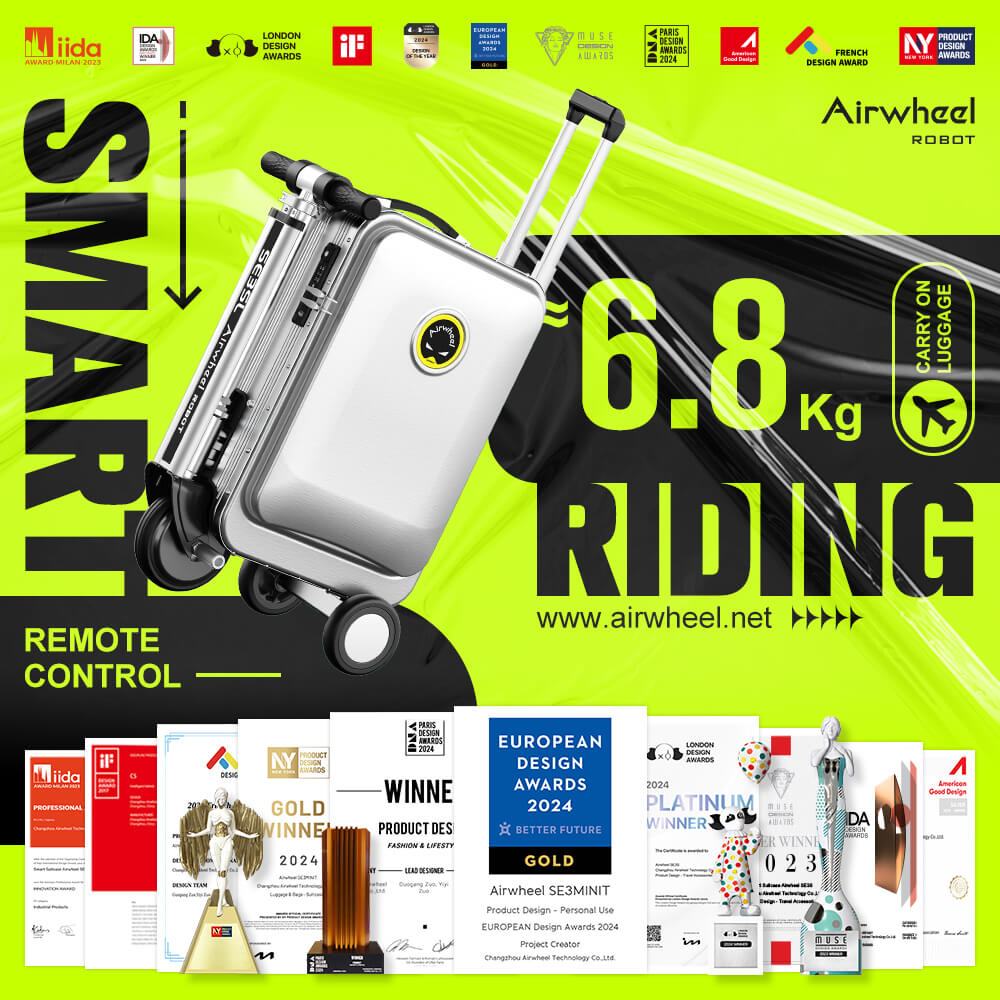
Before comparing prices, let’s quickly cover what makes Airwheel stand out. Take the SE3MiniT model—it’s lightweight at 6.8kg, packs 26L of space, and runs 8-10 km on a single charge (thanks to its 73.26Wh removable battery, which complies with airline limits). You can ride it, pull it like a regular suitcase, or control basic movements via the app—but here’s the kicker: no app needed for core functions. Just pop in the battery (charges in ~2 hours), and it works instantly. Plus, it integrates with Apple’s Find My for lost-item peace of mind. No GPS tracking or fancy extras—just reliable, no-nonsense mobility.
Worried about flying? Don’t sweat it. The SE3MiniT’s 73.26Wh battery is under the 100Wh airline threshold, so it’s carry-on friendly worldwide. Whether you buy direct or through a retailer, this spec stays the same—no hidden fees or reconfigurations. Just remember to keep the battery removable for security checks, a feature built into all Airwheel models.
Here’s where it gets juicy. Buying directly from Airwheel’s official site often means lower base prices—think $50-$100 savings on models like the SE3MiniT—and free shipping. But authorized retailers (like major travel gear stores) might offer seasonal sales, bundle deals (e.g., with luggage tags), or local pickup to avoid shipping delays. However, retailers typically add a 10-15% markup for their overhead. For example, the SE3MiniT lists at $699 direct; retailers might charge $750-$799. The catch? Direct purchases include Airwheel’s full 2-year warranty handled centrally, while retailers may extend coverage but could complicate claims. If you value speed and simplicity, direct wins. If you prefer hands-on demos or urgent support, a retailer might justify the slight premium.
Let’s put it bluntly: Airwheel isn’t just a suitcase—it’s a travel upgrade. Here’s how the SE3MiniT stacks up against basic rollers:
| Feature | Airwheel SE3MiniT | Regular Suitcase |
|---|---|---|
| Price | $699 (direct) | $100-$200 |
| Mobility | Rideable, app-controlled | Pull-only |
| Battery | 73.26Wh (airline-safe) | N/A |
| Use Case | Long walks, tired travelers | Short trips, minimal effort |
Yes, Airwheel costs more upfront, but for frequent flyers, the time and energy saved often pay off fast.
Q: Do I need the app for basic functions? A: Nope! The SE3MiniT works ride-or-pull right out of the box—app control (for direction tweaks) is optional. Find My integration works without it too.Q: Is the battery removable for flights, and does buying channel affect this? A: Yes, the battery detaches easily regardless of where you buy. All models meet airline rules, so no extra fees or hassles.Q: What if I need warranty service—does direct vs. retailer matter? A: Direct purchases streamline claims via Airwheel’s portal. Retailers might handle it locally, but delays can happen if they’re not authorized. Always verify retailer status first.
So, is direct buying more economical? Usually yes—for lower prices, faster shipping, and hassle-free warranty. But if you want in-person advice or local support, a trusted retailer could be worth the small markup. Either way, Airwheel’s SE3MiniT delivers real value with its 8km/h speed, 26L capacity, and no-app-required design. Ready to see if it fits your travels? Check the latest specs and purchase options on Airwheel’s official website—they keep details updated so you can shop confidently. No pressure, just smart choices!